1. Start with the ceremony environment
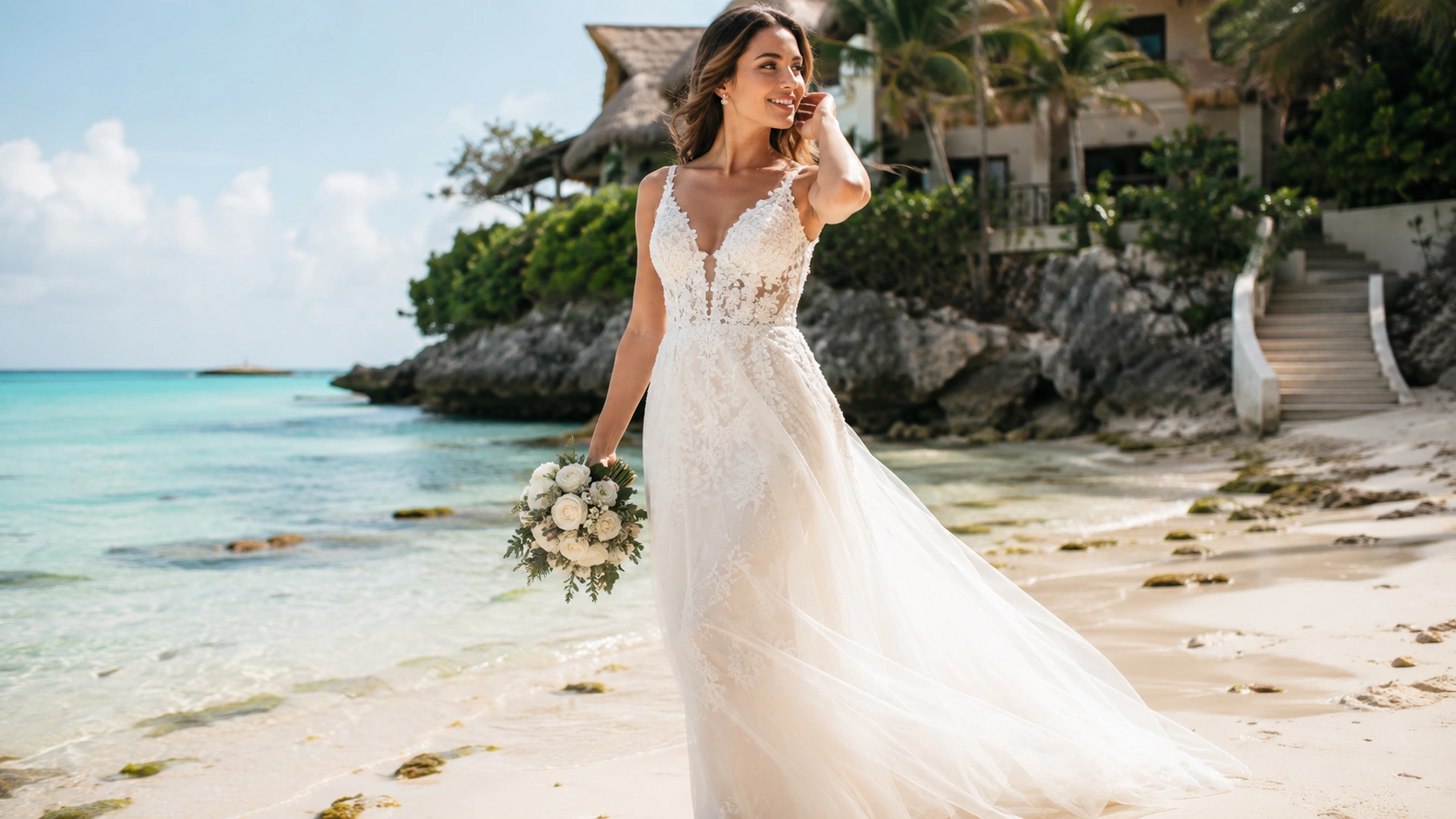
A beach, cliffside terrace, tropical garden and air-conditioned resort ballroom create different requirements. Ask about flooring, wind, shade, humidity, stairs and the distance you will walk before deciding on fabric and train length.
Use photographs of the exact venue whenever possible. A generic idea of a beach wedding may not reflect the real terrain or weather exposure.
2. Choose fabric for movement and climate
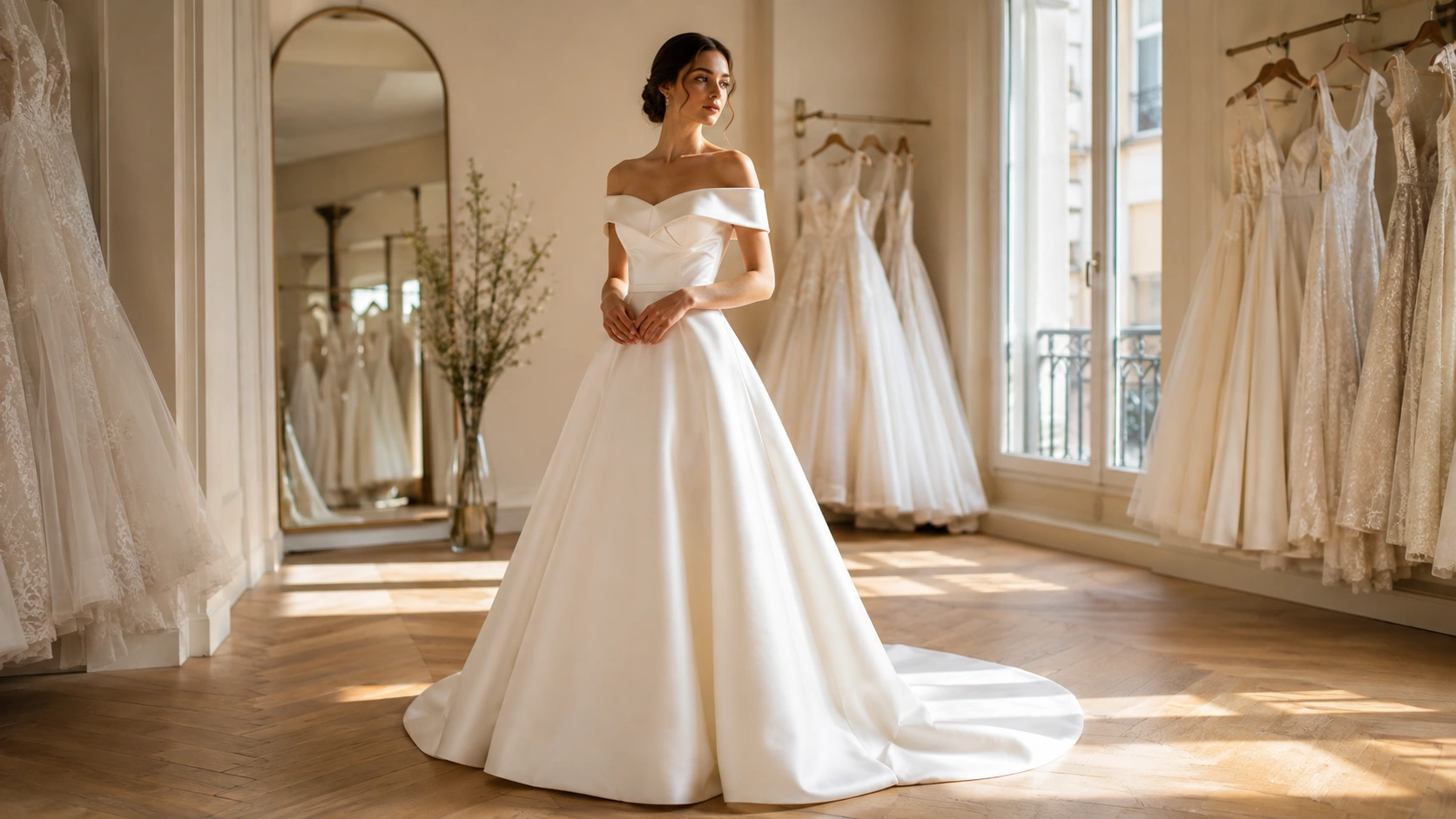
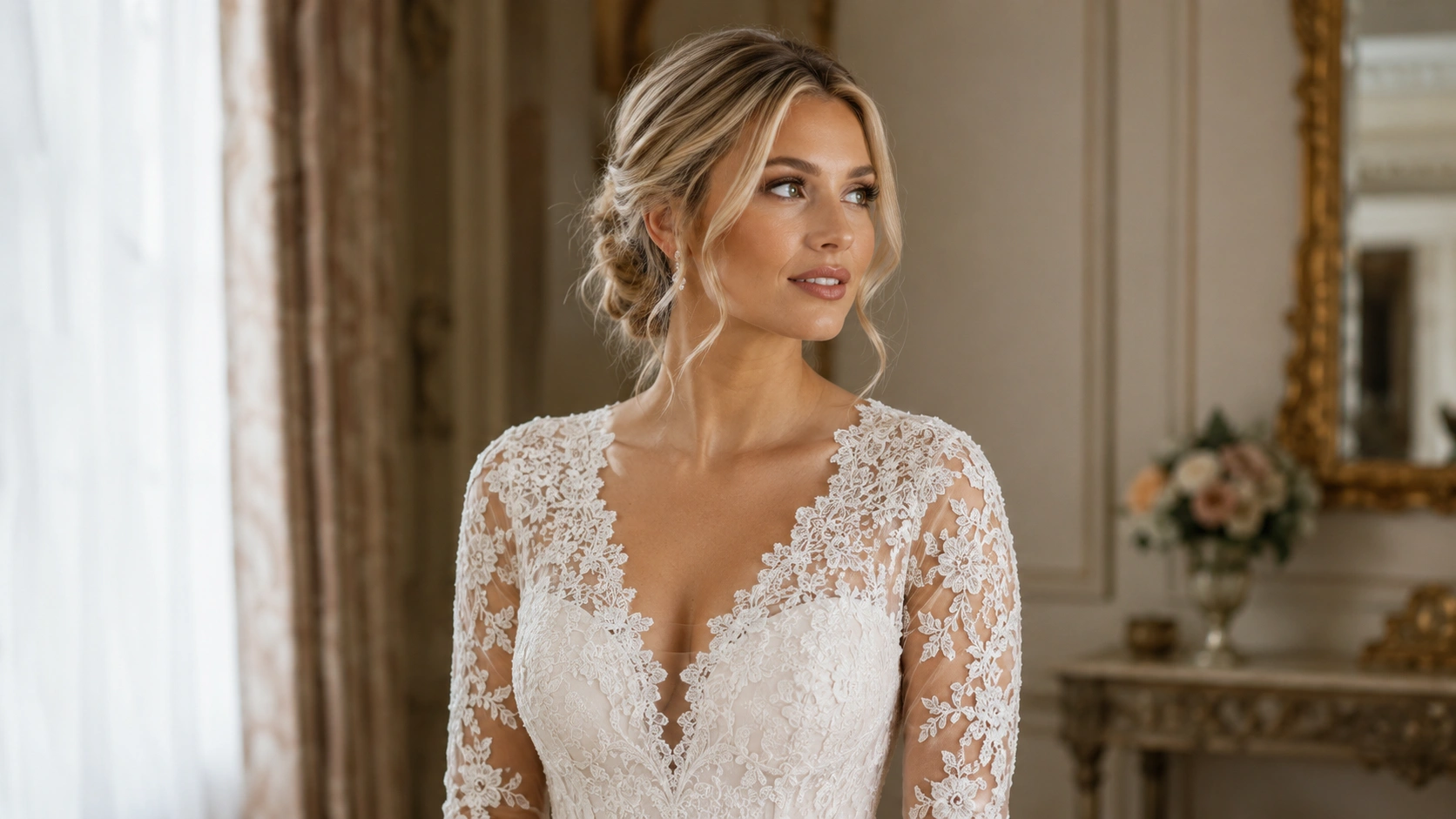
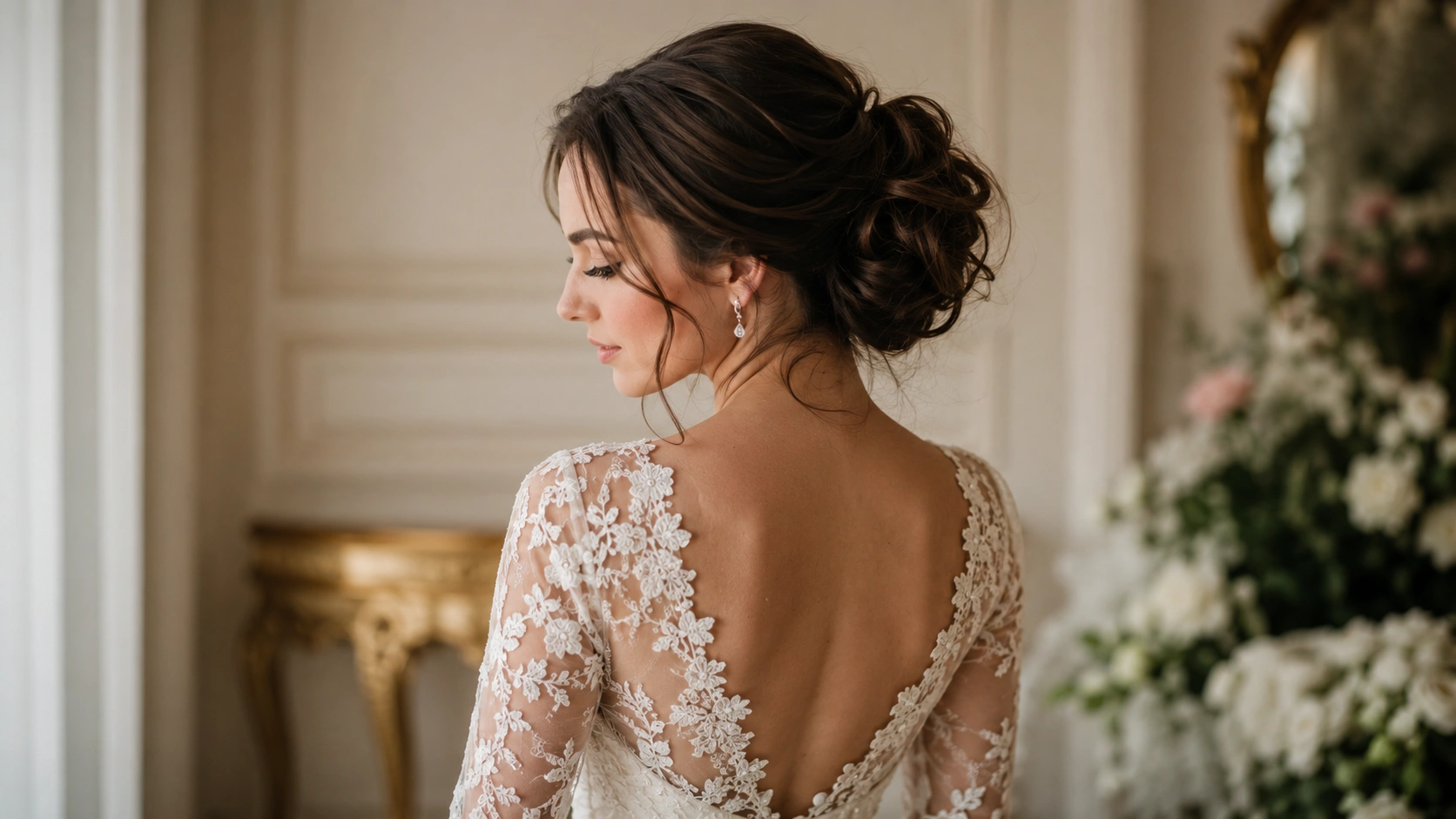
Chiffon and organza can feel light and responsive to movement. Crepe offers a cleaner drape, while lace and tulle can add texture without necessarily adding heavy structure. Satin and mikado can look striking but may retain more heat depending on construction.
The lining matters as much as the outer fabric. Ask how many layers are used and whether breathable alternatives are available.
3. Plan for heat, humidity and wind
Warm climates can affect comfort, makeup, hair and the way fabric sits against the body. Prioritize secure support, breathable construction and a silhouette that does not require constant adjustment.
Wind can be beautiful in photographs but unpredictable with veils, light skirts and unsecured details. Discuss veil length and attachment with your stylist.
4. Select a practical train
A cathedral train may be memorable in a ballroom but difficult on sand or grass. Sweep, court and chapel trains often provide visual impact with easier movement.
Ask about bustle options and appoint someone who understands how to secure it before the reception.
5. Travel and transport
Confirm whether the airline allows the gown as cabin baggage and how the salon recommends packing it. A structured garment bag, acid-free tissue and careful folding can reduce damage.
Arrange steaming or pressing at the destination in advance. Do not assume the resort automatically provides bridal-gown preparation.
6. Ceremony-to-reception versatility
Detachable overskirts, sleeves, straps and veils can transform the look without adding a second gown. A convertible design may also help you manage heat and movement later in the day.
Choose changes that can be handled quickly and securely by someone you trust.
7. Keep the destination in perspective
Your dress should belong to your wedding vision, not a stereotype of the location. A tropical wedding can still be formal, architectural and glamorous.
Use destination considerations to refine your choices, not limit them.